What Are the Must-Visit Places During an Agra Trip?
If there’s one city in India that lives up to every bit of its hype, it’s Agra. Most people plan an Agra trip for a single reason — the Taj Mahal — but the city rewards travelers who stick around a little longer. Agra was the seat of the Mughal Empire for generations, and that history has left behind forts, tombs, gardens, and marketplaces that are just as worth your time as the main event.
Whether you’re planning a rushed day trip from Delhi or a relaxed two-to-three-day getaway, here’s a complete guide to the places that deserve a spot on your itinerary.
1. Taj Mahal — The Non-Negotiable Stop
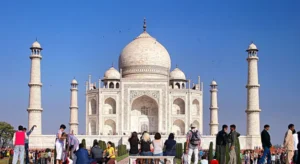
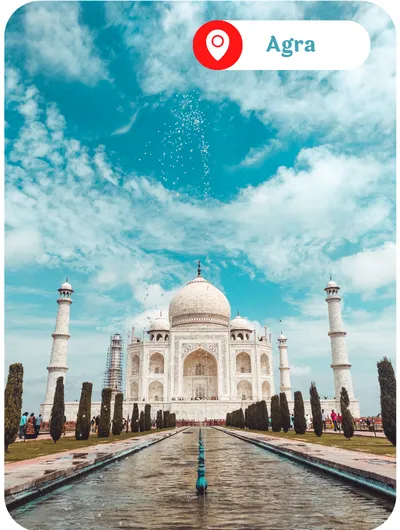
No Agra trip is complete without the Taj Mahal, and honestly, no description does it justice until you’ve seen it in person. Built by Emperor Shah Jahan as a mausoleum for his wife Mumtaz Mahal, the white marble monument took over two decades and thousands of artisans to complete. The pietra dura inlay work — semi-precious stones set into marble in intricate floral patterns — is worth examining up close.
Insider tips:
- Arrive at sunrise (gates open around 6 AM) to beat the crowds and the heat, and to catch the marble changing color in the morning light.
- The monument is closed on Fridays.
- Book tickets online in advance to skip the queue.
- Entering through the East Gate generally gives you a better first view.
2. Agra Fort — A Living Piece of Mughal History
Just a couple of kilometers from the Taj, the Agra Fort (also called the Red Fort) is a massive red sandstone citadel that served as the main residence of Mughal emperors until 1638. It’s a UNESCO World Heritage Site in its own right, and wandering its courtyards, halls, and gardens gives you a real sense of Mughal court life.
Inside the fort, look out for:
- Diwan-i-Khas (Hall of Private Audiences), once used for meetings with dignitaries
- Anguri Bagh, a charbagh-style garden built by Shah Jahan
- Shahi Burj, the Royal Tower that once served as Shah Jahan’s private working space
- Moti Masjid, a pearl-white mosque that gleams when sunlight hits it
Legend has it Shah Jahan spent his final years imprisoned here by his son, gazing at the Taj Mahal from a fort window — a story that adds a layer of poignancy to the visit.
3. Fatehpur Sikri — The Abandoned Mughal Capital
About 40 km from Agra city, Fatehpur Sikri is a red sandstone town built by Emperor Akbar in the 16th century to serve as his capital. It was occupied for barely a decade before being abandoned, reportedly due to water shortages, but the buildings remain remarkably well preserved.
Highlights include the Buland Darwaza (one of the tallest gateways in the world), Jama Masjid, Jodha Bai’s Palace, and the Tomb of Salim Chishti. If you have a spare half-day during your Agra trip, this UNESCO-listed site is well worth the drive.
4. Itimad-ud-Daulah’s Tomb — The “Baby Taj”
Often overshadowed by its more famous neighbor, Itimad-ud-Daulah’s Tomb is sometimes called the “Baby Taj” because of its similar white marble design and inlay work — and some historians believe it actually inspired the Taj Mahal’s construction. It was built between 1622 and 1628 by Empress Nur Jahan as a tribute to her father.
The tomb sees far fewer crowds than the Taj, which makes it a peaceful stop if you want to slow down and appreciate the craftsmanship without jostling for space.
5. Mehtab Bagh — The Best Sunset View of the Taj
Sitting directly across the Yamuna River from the Taj Mahal, Mehtab Bagh (Moonlight Garden) is a charbagh-style garden that offers one of the most photogenic views of the monument, especially at sunset. Developed originally as a viewing garden aligned with the Taj’s own layout, it’s a quieter, greener contrast to the crowds on the main side.
6. Akbar’s Tomb, Sikandra
Spread across 119 acres on the outskirts of Agra, Akbar’s Tomb blends red sandstone and white marble in a style that reflects Akbar’s own approach to religion and culture — a mix of Islamic, Hindu, and Persian architectural elements. The surrounding gardens, home to deer and langurs, make it a pleasant, less crowded stop.
7. Kinari Bazaar and Sadar Bazaar — For the Shopping and Street Food
An Agra trip isn’t only about monuments. The city’s markets are where you’ll find the famous marble inlay work, leather goods, zardozi embroidery, and jewelry that Agra is known for.
- Kinari Bazaar, near Jama Masjid, is packed with shops selling textiles, bridal wear, and handicrafts.
- Sadar Bazaar is your best bet for leather products and a good spot to try local street food afterward.
- Subhash Bazaar is known for silk products and sarees.
8. Mohabbat the Taj — An Evening Cultural Show
If you want to unwind after a day of sightseeing, catch the “Mohabbat the Taj” theatrical performance at the Kalakriti Cultural and Convention Centre, close to the Taj Mahal. The show narrates the love story behind the monument’s construction through music, dance, and light — a nice way to end the day.
9. Wildlife SOS Bear Rescue Facility
For a change of pace from Mughal history, the Wildlife SOS Agra Bear Rescue Facility is home to around a hundred sloth bears rescued from the cruel practice of bear dancing. It’s a meaningful stop if you’re traveling with kids or simply want to support conservation work while you’re in the region.
Best Time for an Agra Trip
The ideal window is October to March, when temperatures are cooler and comfortable for walking around outdoor monuments. April to June brings intense heat, though fewer crowds mean easier access to major sites if you can handle the temperature. The monsoon months (July–September) bring a different kind of beauty — the Taj Mahal looks striking against rain-washed skies, and travel around the city is generally easier during this period.
How Many Days Do You Need?
Most travelers cover the essentials — Taj Mahal, Agra Fort, and one or two tombs — in a single rushed day trip from Delhi, but two full days let you add Fatehpur Sikri and the markets without feeling hurried. If you want a relaxed pace with time for the lesser-known spots like Mehtab Bagh, Akbar’s Tomb, and the bazaars, plan for three days.
Agra also pairs naturally with Delhi and Jaipur as part of India’s Golden Triangle circuit, so if your schedule allows, consider extending your trip to cover all three cities.
Final Thoughts
An Agra trip built around just the Taj Mahal will still be memorable, but the city has enough depth — forts, gardens, markets, and even a bit of wildlife conservation — to fill several unhurried days. Plan around the cooler months, book your Taj Mahal tickets early, and leave room in your itinerary for at least one or two of the lesser-visited gems on this list.